
Rush’s 2112 Another High Note for Lee and the Band
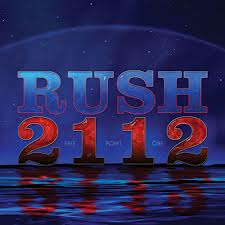
2112 Deluxe Reissue
Rush
December, 2012
The deathgrind band Caninus, was fronted by two female pit bulls named Budgie and Basil. These canine performers were recruited to handle the band’s lead vocals, harmonies and presumably write the lyrics. And they worked for Alpo. Few realized at the time, how cleverly this multi-species collective had turned the tables on Rush, a band whose lead singer, Geddy Lee, hits lots of notes that only dogs have ever heard.
Fans get pissed off every time a critic happens to mention the freakishly high voice of Rush’s first, best and only lead vocalist, Gary Lee Weinrib, aka Geddy Lee. And they should, because Rush, despite the critical knocks, is a very successful and long-standing rock and roll institution. The band has been recording and touring without interruption for the better part of 40 years and has scored more consecutive gold and platinum records than any other rock band with two exceptions — the Beatles and the Rolling Stones. Nice company. Geddy has every right to smile and give me the finger.
Stupid first paragraph jokes notwithstanding, I have a lot of respect for Geddy Lee. He’s a precise and active bass player and his ability to nail a steady string of one note runs while holding down the lead vocals is a remarkable feat of coordination, practice, and professionalism. I just don’t enjoy the way he sounds when he goes for the upper decks and I’m not alone. I honestly know a wonderful married couple who, if they are not very careful, could wind up in divorce court over whether or not Rush may be played in their house… or car… or hunting cabin. Love it, hate it, or learn to tolerate it, but when you listen to Rush, Geddy Lee’s high-pitched voice IS the elephant in the room and you’re going to have to figure out how to coexist with it.
2112, the band’s transitional fifth studio album is the creative bridge between Rush’s early years as a hard rock power trio and their later conversion to a well-oiled progressive rock machine. 2112 hits the sweet spot between their rock and prog influences and is a favorite for many fans. This is a powerful, imaginative and brave record. Caress of Steel, their previous LP, featuring several of Rush’s longest and most complex songs to date, was a dud with critics and sold poorly. The promotional tour was a step backward. But instead of retreating to safer, hard rock song structures, the band doubled down and released their most ambitious record. It was a defiant career move and may well have been the catalyst for their long running career.
We begin with the title track, 2112, a 20-minute, futuristic, cautionary fable influenced by Ayn Rand. The track is a creative peak for the band, featuring a lengthy, sci-fi narrative about a young man, the guitar he discovers and a society that forbids music. Guitarist Alex Lifeson lays down wonderfully dense tracks, using beds of clean and mildly overdriven chords. Heavy riffs and distortion are used sparingly and tastefully. Lee and the band’s lyrist/percussion virtuoso, Neal Peart pave the way with intricate, but locked down rhythm tracks that rise and fall with the tale’s action. 2112 is a triumph and any rock fan should hear it at least once.
The record concludes with five shorter tracks designed to get the band airplay. The shift to shorter songs is welcome and a nice change of pace, but the arrangements, instrumentation and overall sound of the songs are reminiscent of the title track, 2112. Passage to Bangkok and Something for Nothing became the instant radio staples, but each song is unique and offers musical, lyrical and rhythmic hooks that draw you back.
The Deluxe Edition released last year includes a remix of the audio CD, a 5.1 surround mix, photographs and a digital comic book that plays along with the record. Because people rarely sit in the middle of a band during performance, I tend to view 5.1 mixes as gimmicks worth checking out, but rarely worth returning to. Music usually sounds best to me when delivered in stereo. The digital comic book, on the other hand, actually adds useful context to the music, especially the 2112 epic. This is a bonus feature that for once adds value and that I might pay for again in the future.
I never developed a taste for the weak Led Zeppelin imitation Rush attempted on their first few records and liked them even less as the progressive rock band they became in the 80s. But I loved them in 1976, and this breakthrough record is highly recommended. I even think I’m starting to enjoy Geddy’s singing.
If you want to be notified of new posts, like my Facebook page at Just Riffin’ or follow me on twitter @JiminyPage. Thanks!
 Brian loves South Jersey for its proximity to four metropolitan cities, the Jersey shore, the Pocono Mountains and some of the nation's most congested roadways. When he's not marketing education, or on a treadmill, BK spends most of his free time spinning vinyl, writing and playing guitar. Brian writes a classic rock blog at Justriffin.com and edits Planet Zombo.
  Just Riffin'